
Expert Patient Guide  ·  London & North London

Lateral (Outer) Ankle Ligament Injuries

A comprehensive guide by Mr Matthew Welck, Consultant Orthopaedic Foot & Ankle Surgeon, Royal National Orthopaedic Hospital (RNOH) Stanmore & UCL — London, UK.


At a Glance: Lateral Ankle Ligament Injuries

ConditionInjury to the ligaments on the outer side of the ankle — most commonly the ATFL (anterior talofibular ligament) and CFL (calcaneofibular ligament).
UK PrevalenceAnkle sprains are the most common musculoskeletal injury in the UK — approximately 5,600 occur every day in England alone.
Most Common CauseRolling the foot inward (inversion) during sport, walking on uneven ground, or a trip or fall.
DiagnosisClinical examination; weight-bearing X-ray to rule out fracture; MRI or ultrasound to assess ligament damage in chronic or complex cases.
Non-Surgical CareRICE protocol, physiotherapy, proprioceptive rehabilitation, ankle bracing.
Surgical OptionsLateral ligament reconstruction (Broström-Gould repair), arthroscopic assessment and treatment, ligament augmentation in complex cases.
OutcomesThe vast majority of acute outer ligament injuries heal with physiotherapy alone; surgical repair achieves over 85–90% return to sport for chronic instability.
SpecialistMr Matthew Welck — Consultant Foot & Ankle Surgeon, RNOH Stanmore & UCL, London. matthewwelck.com
01

What Are the Lateral Ankle Ligaments?

The ankle is held together by a network of strong, rope-like tissues called ligaments. On the outer (lateral) side of the ankle, three ligaments work together to prevent the ankle from rolling inward too far. The one at the front is called the anterior talofibular ligament (ATFL), which runs from the outer ankle bone (fibula) to the front of the talus — the bone that sits between the shin and the heel. The second is the calcaneofibular ligament (CFL), which connects the fibula down to the heel bone (calcaneus). The third, the posterior talofibular ligament (PTFL), sits at the back and is rarely injured except in very severe dislocations.

When the ankle rolls inward — the classic “twisted ankle” or ankle sprain — these ligaments can be stretched or torn. In mild sprains, the fibres are simply over-stretched; in more severe injuries, the ligament tears partially or completely. If the injury is not properly treated and rehabilitated, the ligament can heal in a lengthened position, leaving the ankle feeling unstable and prone to repeated sprains. This longer-term problem is known as chronic lateral ankle instability.

Mr Matthew Welck in London specialises in the full spectrum of ankle ligament injuries, from acute sprains through to complex reconstructive surgery for longstanding instability.
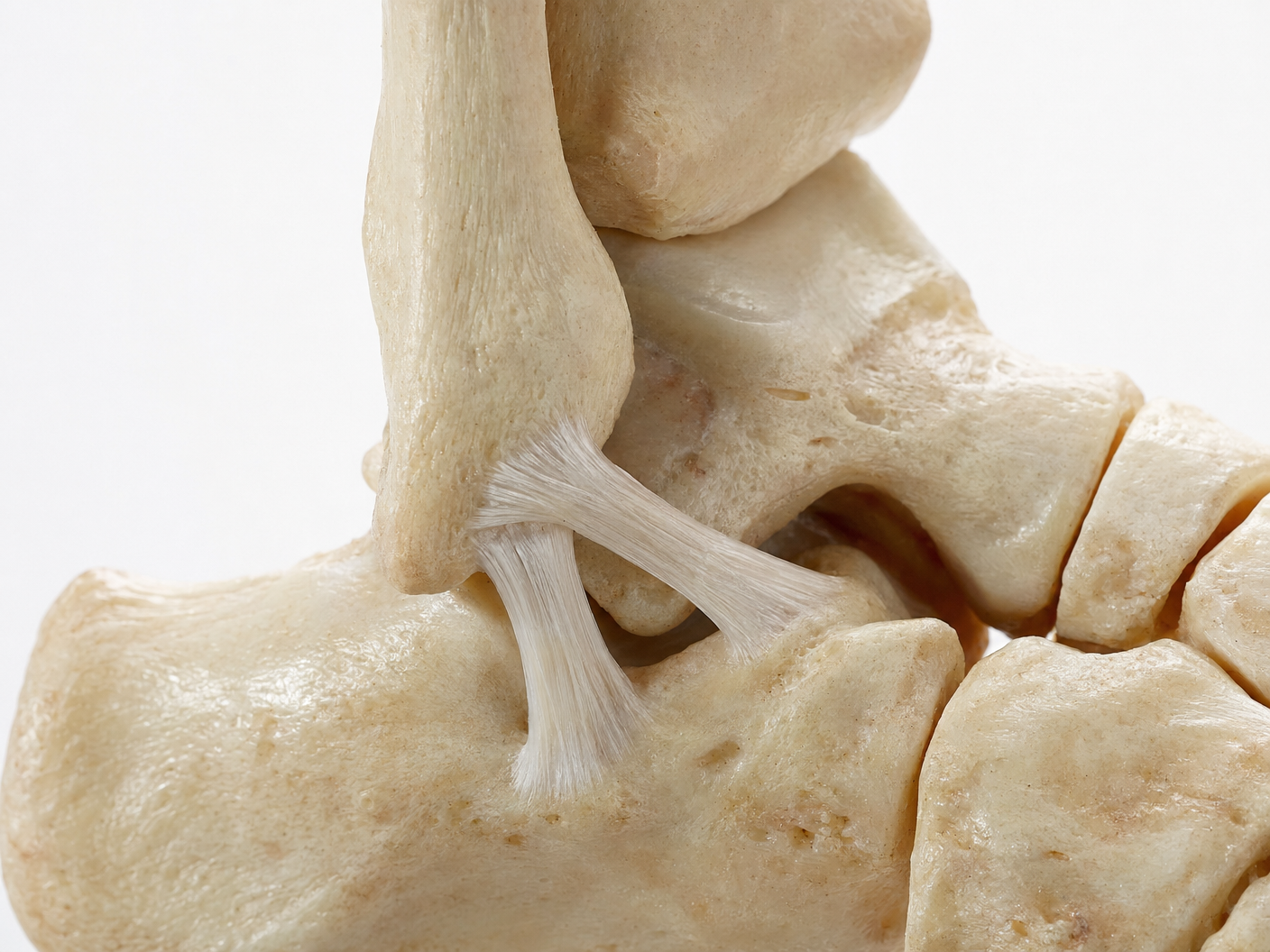
Anatomical model showing the lateral ankle ligaments — ATFL and CFL — connecting the fibula to the talus and calcaneus
02

How Common Are These Injuries in the UK?

Lateral ankle ligament sprains are the single most common musculoskeletal injury seen in accident and emergency departments across the UK. It is estimated that around 5,600 ankle sprains occur every day in England alone, accounting for a very large proportion of all sports injury presentations. They affect people of all ages but are especially frequent in physically active individuals aged 15–45, and in sports such as football, rugby, netball, running, tennis and padel tennis.

Despite being so common, ankle sprains are frequently under-treated. As a result, up to 40% of people who suffer a significant sprain go on to develop some degree of chronic lateral ankle instability — a feeling that the ankle is unreliable, gives way on uneven ground, or repeatedly re-sprains. Recognising and properly treating both acute and chronic ligament injuries is therefore extremely important for long-term joint health and quality of life.

If you are searching for the best foot and ankle surgeon in London or North London for an ankle sprain or ligament injury, Mr Matthew Welck at the RNOH Stanmore offers expert assessment and the full range of treatment options.

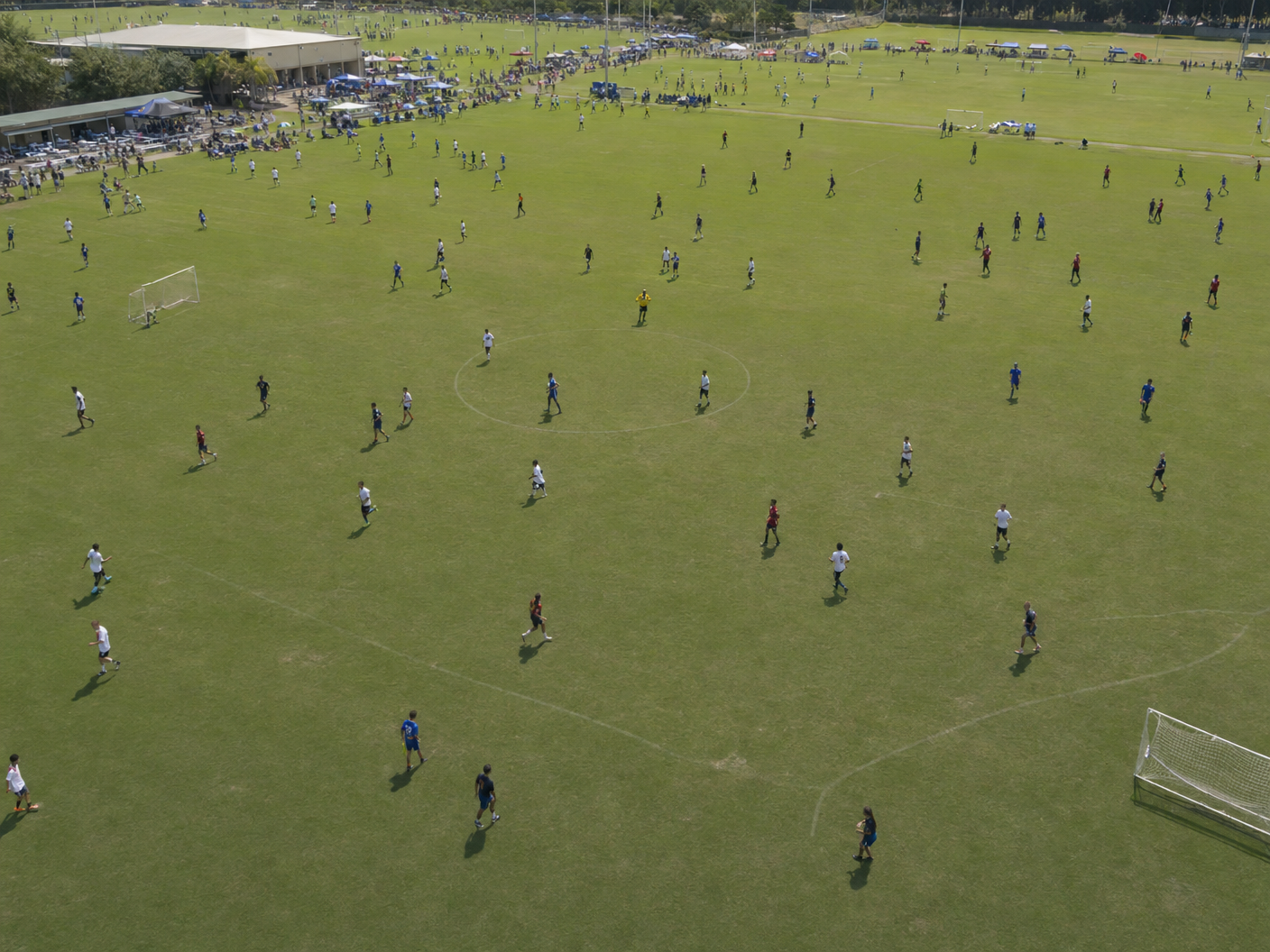
Sports field with many athletes — ankle sprains are the most common musculoskeletal injury in the UK
03

What Causes Lateral Ankle Ligament Injuries?

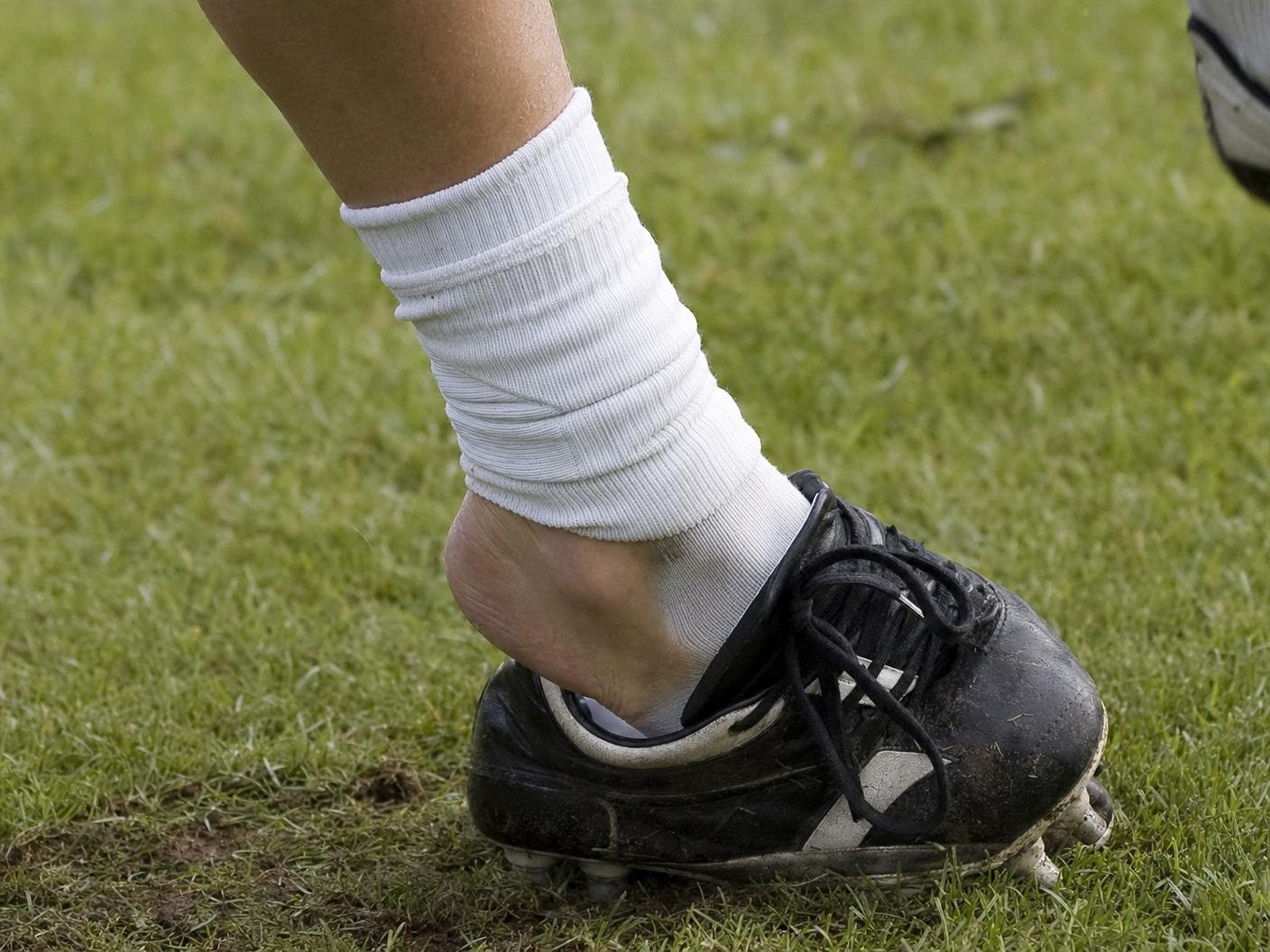
  • Inversion injury (most common): The foot rolls inward, over-stretching the outer ligaments — this often happens during sport, stepping off a kerb, or walking on uneven ground.
  • Repeated minor sprains: Each small sprain can cause further ligament laxity, gradually leading to instability if rehabilitation is incomplete.
  • Sporting activity: High-demand sports involving jumping, pivoting or cutting movements place significant stress on the lateral ligaments.
  • Foot shape and alignment: A high-arched foot (cavovarus deformity) naturally rolls outward, putting the lateral ligaments under greater load and increasing sprain risk. The ankle is halfway to going over before you start.
  • Muscle weakness or poor balance: Weakness in the peroneal muscles (which run on the outer side of the ankle) or reduced proprioception (the body’s sense of joint position) increases susceptibility to sprains.
  • Previous injury: A history of ankle sprains is the strongest risk factor for future sprains, as incompletely healed ligaments are less able to protect the joint.
  • Hypermobility: Where all the ligaments in the body are stretchy, leaving the patient prone to ligament injuries.
Athlete's foot rolling inward during sport — inversion ankle injury causing lateral ligament damage
04

What Are the Symptoms?

Acute Sprain

  • Pain on the outer side of the ankle, immediately after injury
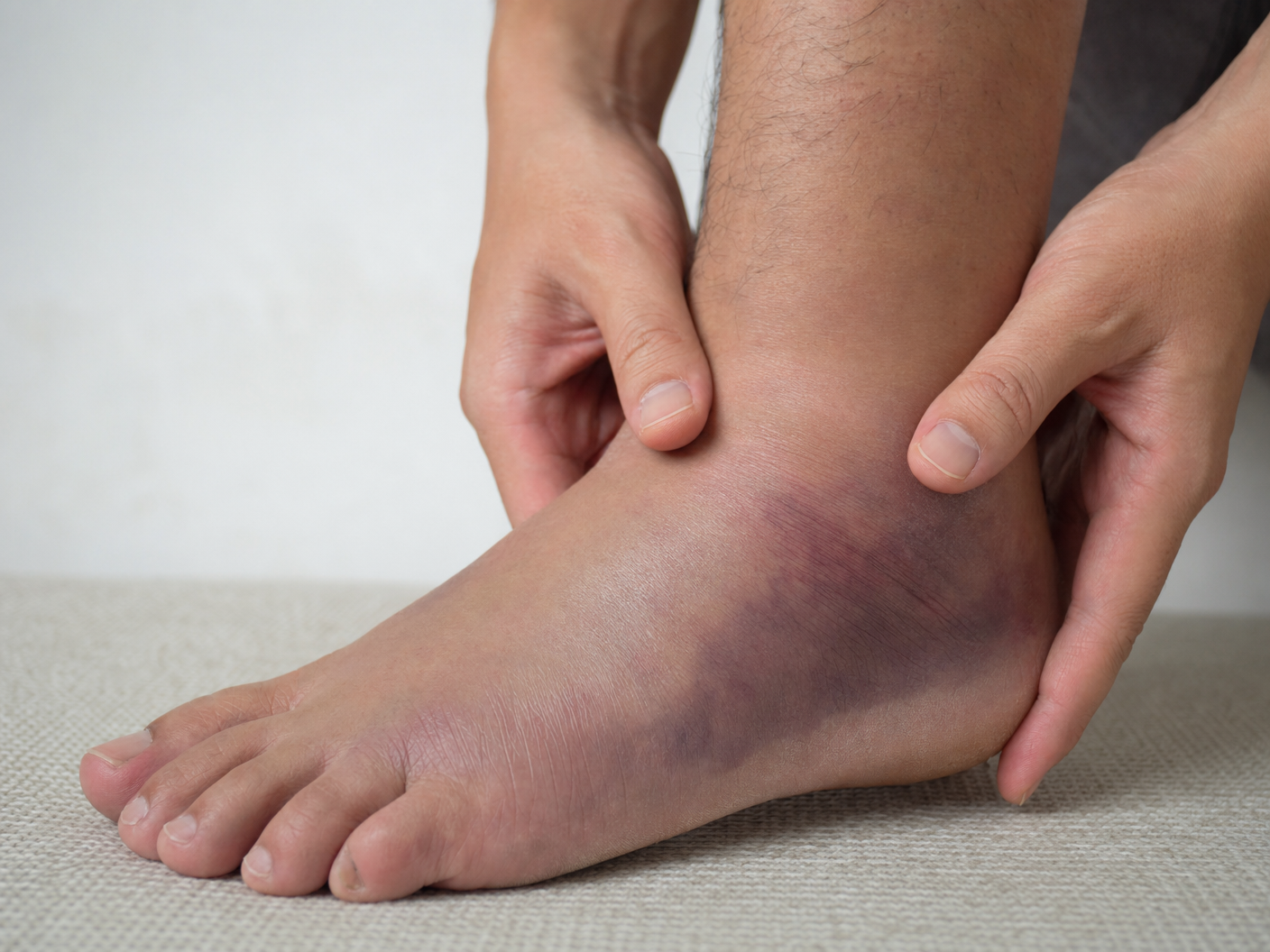
  • Swelling and bruising, often appearing within hours
  • Difficulty bearing weight or walking
  • Tenderness when pressing over the outer ankle bones and ligaments

Chronic Lateral Ankle Instability

  • A persistent feeling that the ankle “gives way” or is unreliable, especially on uneven surfaces
  • “I just can’t trust my ankle”
  • Recurrent episodes of spraining with minimal force
  • Ongoing aching or discomfort on the outer ankle
  • Stiffness after periods of rest
  • Loss of confidence in the ankle, leading to reduced activity levels
  • In some cases, associated pain from cartilage damage or peroneal tendon irritation
Swollen bruised outer ankle being held — symptoms of a lateral ankle ligament sprain
05

What Investigations Might You Need?

  • Weight-bearing X-rays — the first-line investigation, used to rule out an associated fracture of the fibula, talus or fifth metatarsal, which can occur at the time of a sprain. Patients with this typically have tenderness on the bone and difficulty bearing weight.
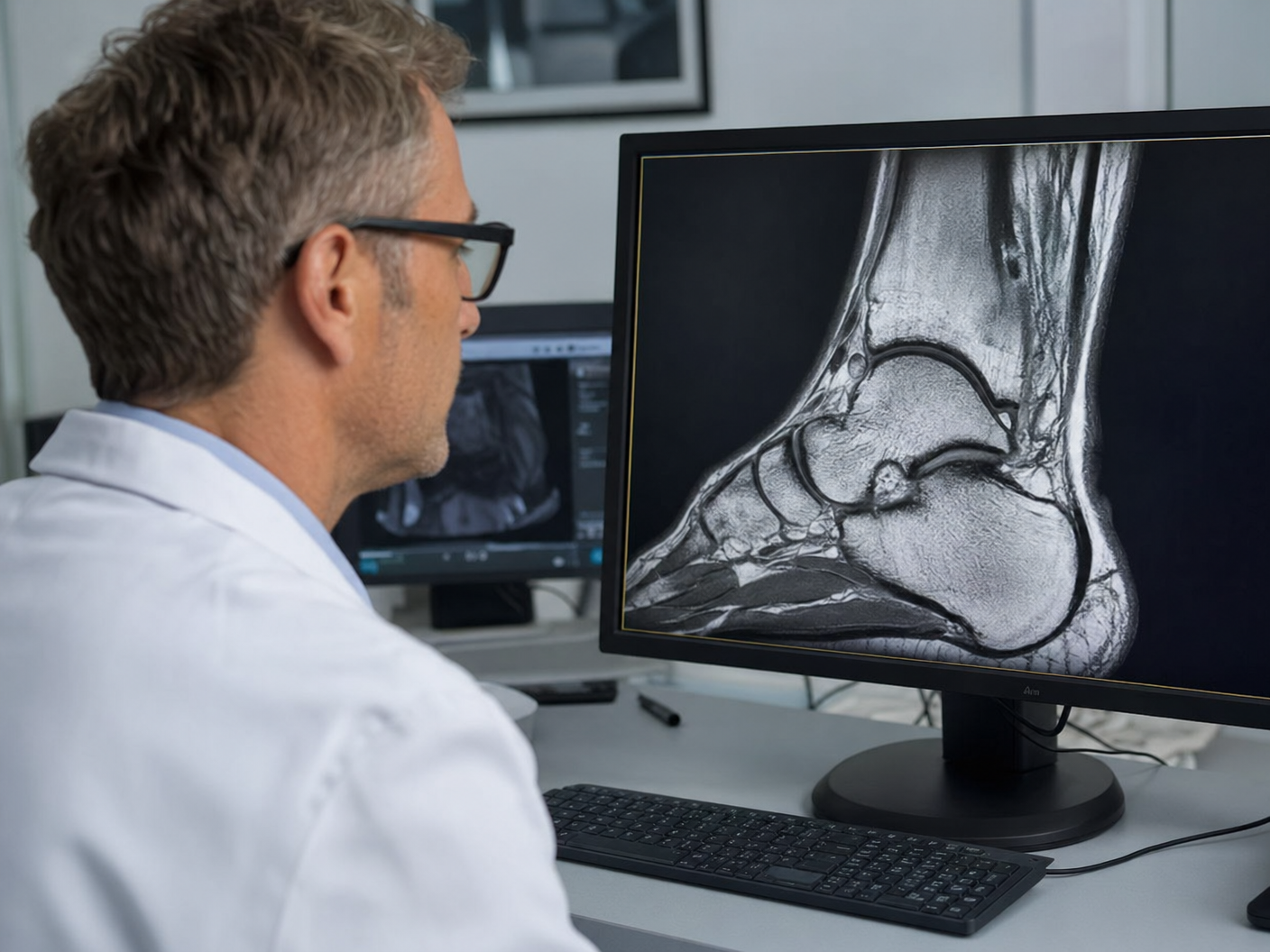
  • MRI scan — provides detailed images of the ligaments, cartilage and tendons. Particularly useful to quantify the injury, to see if anything else has been injured, or when surgical planning is required. It can also detect associated cartilage injuries (osteochondral lesions), found in up to 40% of patients with chronic instability.
  • Ultrasound — a dynamic, real-time assessment of ligament integrity and peroneal tendon health; can also be used to guide injections.
  • Weight-bearing CT scan (WBCT) — a modern 3D imaging tool taken while standing, allowing detailed assessment of bone alignment and any subtle foot deformity contributing to instability.
Doctor reviewing ankle MRI scan on screen — investigations for lateral ankle ligament injury
06

Non-Surgical Treatment Options

The majority of lateral ankle ligament injuries — including many complete tears — will heal successfully with a structured non-surgical programme. Treatment varies depending on whether the injury is acute or chronic.

Acute Sprain Management

  • RICE protocol: Rest, Ice, Compression and Elevation in the first 48–72 hours to reduce swelling and pain
  • Short-term use of a supportive brace or walking boot to protect the healing ligament, depending on severity of injury
  • Anti-inflammatory medication (oral or topical) for pain and swelling in the first few days only
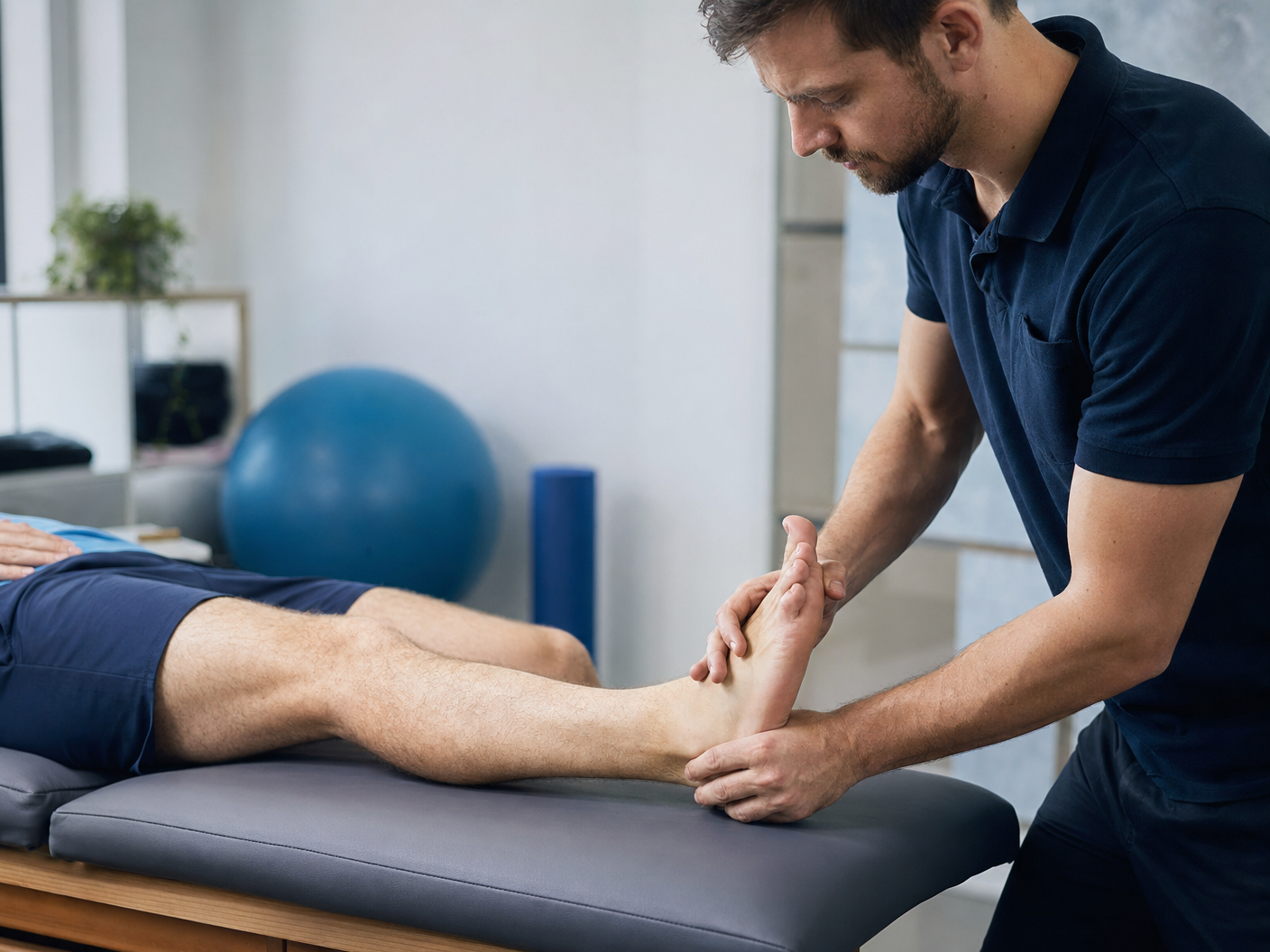
  • Early physiotherapy to restore movement, strength and balance
  • Proprioceptive (balance) retraining — a critical part of recovery that is frequently overlooked in self-managed sprains

Chronic Instability Management

  • Structured physiotherapy focusing on peroneal muscle strengthening and proprioception
  • Ankle bracing for activity, particularly during sport
  • Activity modification during rehabilitation
Physiotherapist treating patient's ankle — rehabilitation for lateral ankle ligament injury
07

Surgical Options for Lateral Ankle Ligament Injuries

Surgery is considered when the ankle remains unstable despite a thorough course of physiotherapy and rehabilitation, typically lasting at least three to six months. The right procedure depends on the degree of instability, the quality of the remaining ligament tissue, and any underlying factors such as foot shape or associated cartilage damage. The decision is highly individualised.

Broström-Gould Repair (Lateral Ligament Reconstruction)

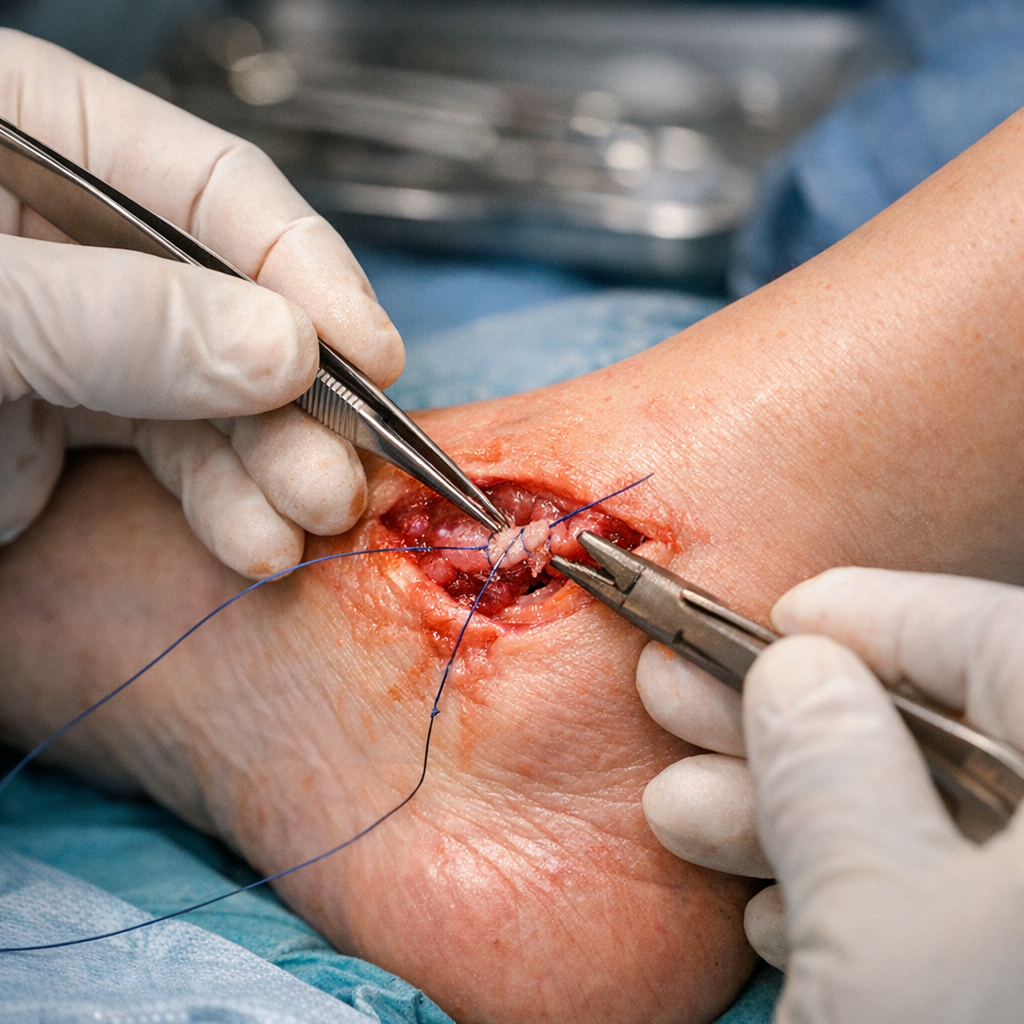
This is the gold-standard operation for chronic lateral ankle instability. Through a small incision over the outer ankle, the stretched or torn ATFL and CFL are tightened and sewn back together or reattached to the fibula. The overlying tissue (the extensor retinaculum) is used to reinforce the repair — this is the “Gould” modification. It is a reliable, anatomical operation that restores normal ligament tension without sacrificing any other structures. Most patients can return to sport within four to six months.

Mr Welck’s standard rehabilitation: 2 weeks non-weight-bearing in a half plaster, then 2 weeks on crutches in a full plaster, then 2 weeks in a boot with crutches starting ankle movement. After 6 weeks: ankle brace and physiotherapy begins.

Arthroscopic (Keyhole) Assessment and Treatment

Before or during open reconstruction, an ankle arthroscopy (camera inspection through very small incisions) may be performed to identify and treat any associated cartilage damage, loose bodies or impingement lesions, present in up to 40% of patients with chronic instability. This can often be done as a day-case procedure.

Tendon or Internal Brace Augmentation

In patients where the native ligament tissue is too poor in quality to repair directly — for example after multiple previous operations or in the presence of a significant connective tissue condition — the repair can be reinforced or reconstructed using a nearby tendon or a synthetic graft called an internal brace. This provides more robust stabilisation in complex cases.

Correction of Underlying Deformity

If a high-arched or malaligned foot is contributing to instability, bony procedures to realign the foot may be performed at the same time, to give the ligament repair the best chance of long-term success and prevent recurrence.

Surgeon performing lateral ankle ligament repair — Broström-Gould reconstruction
08

Why Choose Mr Welck?

Mr Matthew Welck is a Consultant Orthopaedic Foot & Ankle Surgeon at the Royal National Orthopaedic Hospital (RNOH) Stanmore — the UK’s leading specialist orthopaedic centre — and holds a UCL academic appointment. His practice is dedicated exclusively to foot and ankle surgery, with specialist interest in complex ligament reconstruction, chronic ankle instability and associated cartilage injuries.

Mr Welck has over 50 peer-reviewed publications in the foot and ankle literature and is actively involved in national and international research into ankle instability outcomes. He works closely with a multidisciplinary team including specialist physiotherapists and musculoskeletal radiologists to ensure each patient receives a customised, bespoke, individualised plan.

Patients are seen across North and Central London with rapid access to MRI, weight-bearing CT and specialist physiotherapy. Whether your problem is a recent ankle sprain that is not settling, or longstanding ankle instability that has held you back from sport and daily life, Mr Welck can offer expert assessment and the full range of treatment options.

If you are looking for the best foot and ankle surgeon in London or North London for an ankle ligament injury, ankle sprain or chronic instability, Mr Welck is available for both NHS and private consultations.

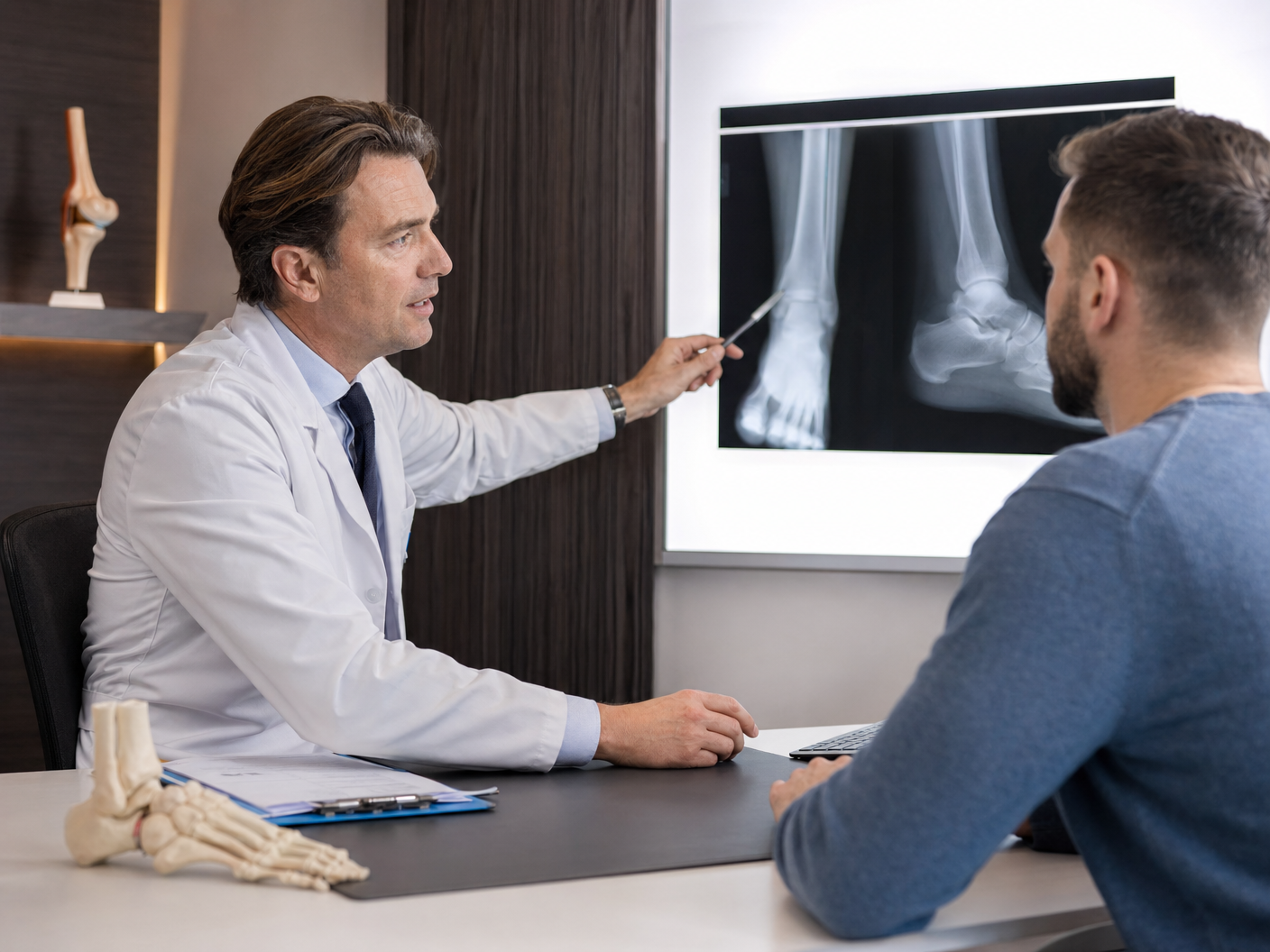
Consultant orthopaedic foot and ankle surgeon reviewing ankle X-ray with patient in London clinic
09

Frequently Asked Questions

Do I need surgery for an outer ankle ligament sprain?

Most ankle sprains, including complete ligament tears, do not require surgery. The majority heal well with physiotherapy and rehabilitation. Surgery is reserved for patients with chronic instability that persists despite a proper course of conservative treatment.

How long does it take to recover from an ankle sprain?

Mild sprains typically settle within two to four weeks. More significant sprains may take six to twelve weeks to resolve. However, a proper balance and strengthening programme should continue for at least three months to reduce the risk of re-injury and the development of chronic instability.

How long is the recovery after surgical reconstruction?

Mr Welck’s standard rehabilitation: 2 weeks non-weight-bearing in a half plaster, then 2 weeks on crutches in a full plaster, then 2 weeks in a boot with crutches starting ankle movement. After 6 weeks you are in an ankle brace and starting physiotherapy. Return to full sport between 3 and 6 months, depending on recovery and the type of sport.

What happens if I leave chronic ankle instability untreated?

Repeated sprains from chronic instability can cause progressive cartilage damage inside the ankle joint, peroneal tendon injury, and in some cases contribute to the development of ankle arthritis over time. Early treatment and proper rehabilitation give the best long-term results.

Can I have ankle ligament surgery on the NHS?

Yes. Mr Welck treats NHS patients at the Royal National Orthopaedic Hospital Stanmore, and private patients at a number of London clinics. Referral can be made by your GP, or directly via self-referral for private consultations.

Will I be able to return to sport after surgery?

For the vast majority of patients, yes. Over 85–90% of patients who undergo lateral ligament reconstruction are able to return to their previous level of sport. Low-impact activities such as swimming and cycling can usually be resumed much earlier than high-demand cutting and pivoting sports.

Are ankle sprains and ankle instability the same thing?

Not exactly. A sprain is the acute injury when the ligament is damaged. Instability is the longer-term consequence that develops when a sprain does not heal properly, leaving the ankle feeling unreliable. Not everyone who has a sprain develops instability, but those who do need a more targeted treatment plan.

Where can I see Mr Matthew Welck for ankle ligament treatment in London?

Mr Welck consults across North and Central London. NHS patients are seen at the Royal National Orthopaedic Hospital, Stanmore. Private consultations are available at several central and north London locations. Please visit matthewwelck.com or call 07547 395 270 for appointments.

Doctor explaining ankle anatomy model to patient — ankle ligament FAQ consultation London
10

Book a Consultation

If you are struggling with ankle pain, instability, or repeated sprains that are affecting your sport or daily life, specialist assessment can make a significant difference to your recovery and long-term outcome.

Book a private or NHS consultation with Mr Matthew Welck, Consultant Foot & Ankle Surgeon and one of London’s leading specialists in ankle ligament injuries and chronic ankle instability. Early expert review gives you the widest range of treatment options and the best chance of returning to full activity.

Email: secretary@matthewwelck.com
Call: 07547 395 270
Website: matthewwelck.com

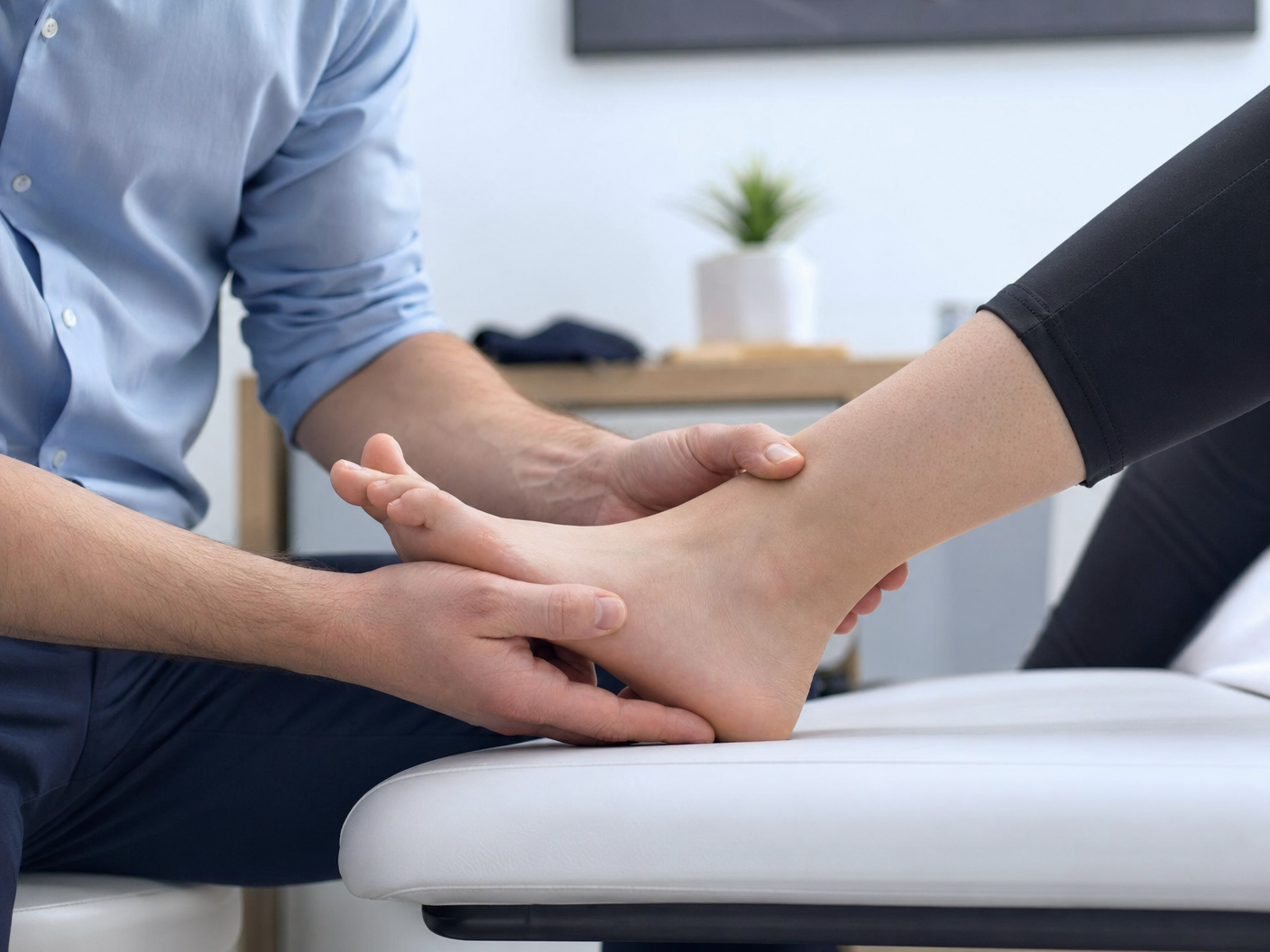
Doctor examining patient's ankle in private clinic — book a consultation with Mr Matthew Welck London
CALL ME
+
Call me!